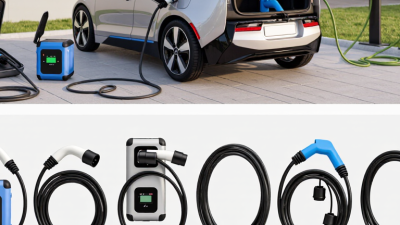
Top 10 Electric Charging UK Companies for Global Buyers
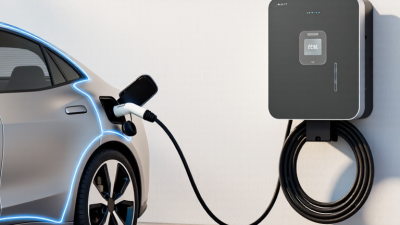
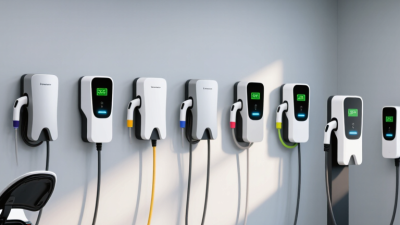
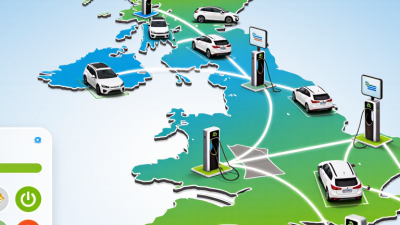
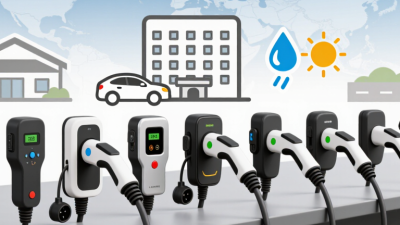
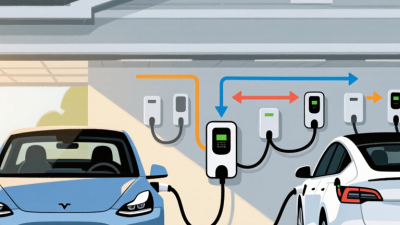
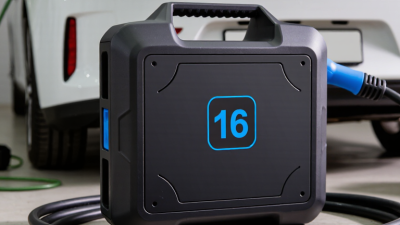
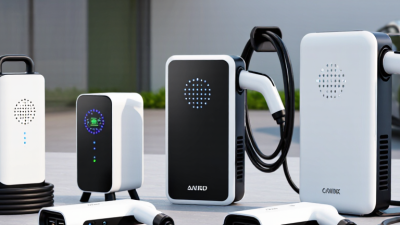
So, the UK's kinda become the go-to spot for testing out electric vehicle charging, both public and private. If you're a buyer looking to invest, this guide is for you. We've rounded up ten of the top EV charging companies in the UK, and we're not just listing names either. We dig into the nitty-gritty: how far their networks reach, whether the chargers actually work when you need 'em, what payment options they offer (because nobody wants to fiddle with five different apps), how easy it is to get installation support, and honestly, just how transparent they are about their business practices. It's a lot to cover, but we've got you covered. So, you've got a bunch of companies out there - BP Pulse, Pod Point, Osprey, InstaVolt, GRIDSERVE, Connected Kerb, char.gy, Swarco EVolt - and each one is sort of specialized. Like, some are all about motorway pit stops, while others are more for your home charging, or at work, or even in retail parks and on-street. When you're a buyer, you really need to sit down and compare the published rates, what connectors they use, the warranty details, and how quickly they respond to maintenance issues. And here's the thing: real performance? It can vary depending on where you are. So yeah, that's a big deal. So, when a procurement team is picking a supplier, they might look at dashboard screenshots, service agreements, or even some site photos. But they also have to make sure the charger actually supports the required electrical supply and vehicle standards, you know? Gotta double-check those specs before committing. Ever notice how common it is to see a product description like this for an EV charger? Smart AC EV 7kw 11kw 22kw 16A 32A Type 1 Type 2 EV Charging Station Car Charger with 5m Fast Charging Cable for Electric Car. But honestly, all those numbers and types? It's super easy to get confused. Alright, so if you're looking to buy, you really can't just take things at face value. You've got to dig into the actual output, check the safety certifications, see what the cable quality is like, and make sure it'll work with your local setup. And here's the thing – I'm not about to say that just because a company is big, it's automatically good. A smaller operator might have way better support in your area, you know? On the flip side, even a major network can have congested sites or go down for a while. So in the end, you need to base your decision on current, real evidence – not just those shiny brochures. That's the tricky part, honestly.
Read more »