As the electric vehicle market keeps expanding, picking the right Car Electric Charge solutions is more important than ever for both everyday folks and businesses alike. John Smith, who’s a pretty well-known expert in EV charging infrastructure at GreenCharge Solutions, points out that, "Getting the right charging setup can really make or break your entire EV experience." That just goes to show how crucial it is to make informed choices, especially with all the rapid changes happening in this space.
With so many options out there, it can definitely get a bit overwhelming for potential users. Not all charging stations are created equal, and stuff like location, charging speed, and whether it plays nice with your specific EV model really matter. Plus, the tech behind Car Electric Charge keeps changing all the time—new innovations pop up regularly, which can lead to confusion or even hesitation about making a decision.
If you're thinking about getting a charger, it’s a good idea to really think about what you need. Are you looking for something for your home, or do you need a setup for a business? Figuring out what works best for your situation is key. Doing a bit of research upfront can save you headaches later—sometimes folks jump into a choice without digging into all the options, and then they end up with something that’s not quite right. And since this technology moves so fast, it’s important to stay updated and flexible. Making a smart choice now will set you up for a smoother, more convenient charging experience down the road.
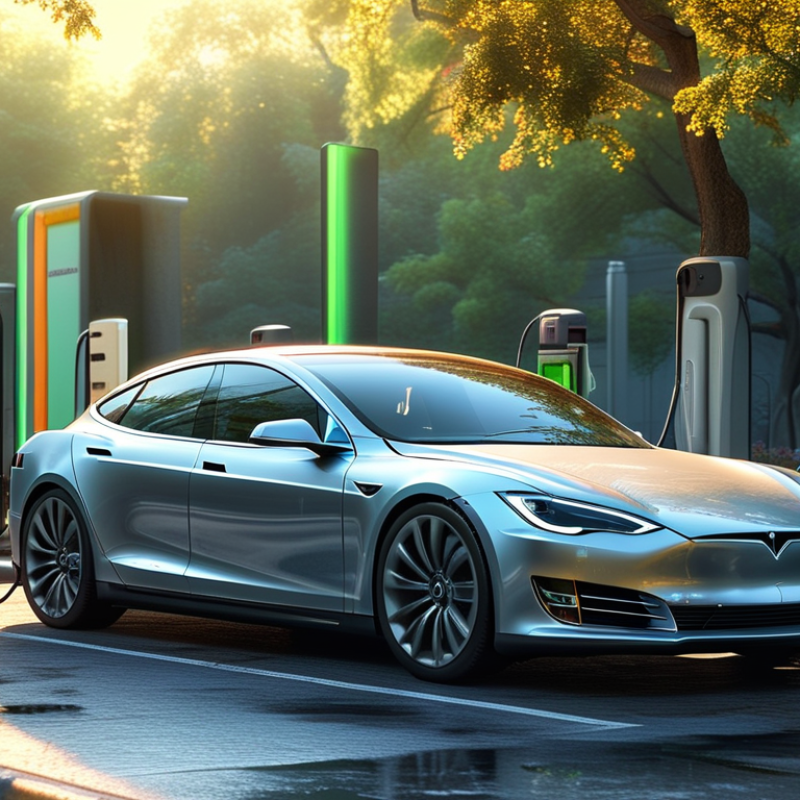
Factors to Consider When Choosing Car Electric Charge Solutions
When selecting car electric charge solutions, several factors play a crucial role. The charging speed is paramount. A Level 2 charger can deliver up to 25 miles of range per hour. In contrast, DC fast chargers can provide an 80% charge in about 30 minutes. Understanding your daily driving needs is essential. If your commute is short, a standard Home Charger may suffice, while frequent long trips require more robust options.
Cost is also a significant consideration. According to the U.S. Department of Energy, the average cost of home charging equipment can range from $500 to $1,500. Installation fees may add another $300 to $1,000, depending on the electrical setup. Evaluate whether this investment aligns with your budget and driving habits. Analyze your electric bill too; charging at home can be cheaper, but rates vary widely.
User convenience should not be overlooked. Look for solutions that allow you to Charge A Electric Car effortlessly. Smart charging stations offer remote monitoring and scheduling, ideal for tech-savvy users. However, availability of charging stations in your area can be a concern. While the number of public charging points is increasing, some regions may still lack sufficient infrastructure. This can lead to range anxiety, making your choice even more critical.
Types of Electric Vehicle Chargers and Their Applications
Electric vehicle (EV) chargers are vital for the growing automotive industry. Different types of chargers serve various needs. Level 1 chargers are the most basic. They use a standard 120-volt outlet and are best for home use. Charging can take over 10 hours, making them suitable for overnight charging. In cities, many households rely on this slow method, as they may not have access to faster options.
Level 2 chargers are more efficient. They operate at 240 volts and can fully charge most EVs in about 4-8 hours. They are popular in commercial settings and public charging stations. Recent reports indicate that more than 60% of public charging stations in China are Level 2. This infrastructure supports the rapid increase in EV adoption. However, users often find availability inconsistent, leading to frustration.
DC fast chargers represent the fastest option. They can provide an 80% charge in about 30 minutes. These are crucial for long-distance travel. However, they require substantial investment in infrastructure. Many regions experience gaps in coverage. Statistics reveal that urban areas are better served, while rural locations lack sufficient access. Understanding these types helps users choose the best car electric charge solutions for their needs.
Types of Electric Vehicle Chargers and Their Applications
This chart illustrates the various types of electric vehicle chargers and their corresponding usage percentages. Understanding these types can help you choose the best charging solutions for your electric vehicle needs.
Evaluating Charging Speed: Level 1, Level 2, and DC Fast Charging
When evaluating electric vehicle (EV) charging solutions, speed is a key factor. There are three main types: Level 1, Level 2, and DC Fast Charging. Level 1 charging uses a standard 120V outlet. It delivers about 4 to 5 miles of range per hour. This method may be suitable for overnight charging. However, it can take over 24 hours to fully charge a standard EV battery. Many homeowners find this impractical for daily use.
Level 2 charging increases the voltage to 240V. It provides 10 to 60 miles of range per hour, depending on the vehicle and charger. According to the U.S. Department of Energy, over 80% of public charging stations use Level 2. This type of charging strikes a balance between speed and accessibility. However, installation costs can be high. If you live in a rental property, access may be limited.
DC Fast Charging is the most rapid option available. It can charge an EV to 80% in just 20 to 30 minutes. Yet, infrastructure is still growing. Only a fraction of charging stations offers this technology. While appealing, users should consider the availability and compatibility of DC Fast Chargers. This uncertainty can lead to potentially frustrating charging experiences. The decision on which type to choose often relies on personal driving habits and charging needs.
Understanding Charging Network Availability and Accessibility
When considering car electric charge solutions, it's crucial to evaluate the availability and accessibility of charging networks. Many drivers assume they'll find a charging station easily. Unfortunately, that is not always the case. The infrastructure varies greatly across regions, and some areas lack sufficient charging options.
Make sure to consider the density of charging stations in your usual driving areas. Utilize apps that map out charging locations before planning your trips. A good app will indicate station types, availability, and even real-time status updates. This preparation can save you time and prevent frustrating detours.
Tip: Check local reviews for charging stations. These insights often reveal users' experiences, which can inform your choices. Some stations have longer wait times or unreliable services. Knowing where to charge helps you avoid these pitfalls.
Accessibility is another vital factor. Not all charging stations are easy to access. Some might be located in complex parking areas or restricted zones. Scouting out your preferred stations ahead of time can enhance your confidence on the road.
Tip: Be aware of the types of chargers available. Fast chargers can significantly reduce downtime compared to standard ones. Make sure to familiarize yourself with different charging options to suit your needs effectively.
Cost Analysis: Installation and Operational Expenses of Charging Solutions
When selecting the best car electric charge solutions, cost analysis is crucial. The initial installation costs can vary significantly based on the complexity of the setup and location. A simple home charging station may only require a few hundred dollars. In contrast, commercial installations could exceed several thousand, depending on infrastructure needs.
Operational expenses are equally important. Electricity prices fluctuate, impacting the overall cost of charging an electric vehicle. Some locations may offer incentives that can help offset these costs. However, users must also consider the potential for increased energy consumption over time. Wholesale Car Electric Charge solutions might provide bulk purchase discounts, which could lower overall expense but require an upfront investment.
Reflecting on these factors is essential. Users should weigh the long-term savings against initial costs. Each scenario differs. It’s wise to gather data on local pricing and charges before deciding. The complexity of personal and commercial needs makes careful planning necessary. Careful consideration will lead to a more informed choice.
Future Trends in Electric Vehicle Charging Technologies
The landscape of electric vehicle (EV) charging technologies is rapidly evolving. Industry reports indicate that by 2030, the global market for electric vehicle charging solutions is expected to surpass $100 billion. This growth is driven by the increasing adoption of EVs, which reached a record 6.6 million units sold in 2021 alone, according to the International Energy Agency. As these numbers rise, so does the need for more efficient and innovative charging methods.
One significant trend is the expansion of ultra-fast charging stations. These stations can deliver up to 350 kW, enabling a full charge in under 20 minutes for many EVs. This development could mitigate range anxiety for potential EV users. Moreover, wireless charging technology is emerging, promising to simplify the charging process. Reports suggest that this could be a game-changer in urban environments, where charging infrastructure remains limited.
Tip: When considering charging solutions, think about location and compatibility. Choose a home setup that fits your daily driving needs. Evaluate public charging options to ensure convenience, especially for longer trips.
Research also points to the integration of renewable energy with charging stations. Solar panels and energy storage systems can significantly enhance efficiency. This shift aligns with global sustainability goals. However, the scalability of these systems can be challenging, raising questions about cost and feasibility.
Tip: Stay informed about local incentives and rebates for EV charging installations. These can help reduce your initial investment significantly.
How to Choose the Best Car Electric Charge Solutions? - Future Trends in Electric Vehicle Charging Technologies
| Charging Solution | Charging Speed (kW) | Typical Range Added (miles/h) | Installation Type | Cost Range ($) |
| Level 1 Charger | 1.4 - 2.4 | 4 - 5 | Home | 300 - 600 |
| Level 2 Charger | 3.3 - 19.2 | 10 - 60 | Home/Commercial | 500 - 1,500 |
| DC Fast Charger | 50 - 350 | 100 - 250 | Commercial | 10,000 - 40,000 |
| Wireless Charging | 3 - 20 | 10 - 30 | Home/Commercial | 3,000 - 10,000 |
| Battery Swap Stations | N/A | N/A | Commercial | Variable |
Government Incentives and Rebates for Electric Charging Infrastructure
Government incentives play a crucial role in expanding electric charging infrastructure. Many regions offer grants and rebates designed to encourage the installation of charging stations. In the U.S., the federal government provides a tax credit of up to 30% of the cost for EVSE (Electric Vehicle Supply Equipment). According to a report by the International Council on Clean Transportation, this has significantly boosted public charging station installations.
In China, the push for electric vehicles (EVs) has led to generous incentives. Local governments offer subsidies that can cover 50% of charging station installation costs. This strategy ensures consumer adoption of electric cars. Data from the China Electric Vehicle Charging Infrastructure Promotion Alliance reveals that public charging infrastructure growth has skyrocketed in recent years, reaching over 1.68 million charging points by the end of 2022.
The challenge lies in assessing which incentives are most effective. Not all states or regions provide uniform support. This complexity can confuse potential investors and consumers. Additionally, funding availability often fluctuates, making long-term planning difficult. The success of initiatives like "China Charge A Electric Car" hinges on consistent policy support that addresses these uncertainties.
FAQS
: Installation costs vary based on setup complexity and location. A simple home station can cost a few hundred dollars.
Operational costs depend on electricity prices, which can fluctuate, affecting overall charging expenses.
Yes, many regions offer grants and rebates to encourage charging station installations. This can significantly reduce upfront costs.
Government tax credits can cover up to 30% of the cost of electric vehicle supply equipment, making installations more affordable.
In some areas, local governments may provide subsidies covering up to 50% of installation costs, promoting EV adoption.
Incentives vary by region, which can confuse consumers and investors. Funding availability also fluctuates, complicating long-term planning.
It's essential to research local pricing to make an informed decision. Each scenario has unique cost factors to consider.
Yes, bulk purchase discounts may lower overall costs, but they require an upfront investment and careful consideration of energy consumption.
Careful planning allows users to evaluate the long-term savings versus initial costs. Each decision should reflect individual circumstances.
Ongoing policy support ensures consistent funding and reduces uncertainty for potential investors, helping sustain infrastructure growth.
Conclusion
When selecting the best car electric charge solutions, several critical factors must be considered. These include the types of electric vehicle chargers available, such as Level 1, Level 2, and DC fast charging, which vary significantly in charging speed and application. Additionally, evaluating the accessibility of charging networks is vital to ensure convenient operation.
Cost analysis plays a crucial role, encompassing both installation and ongoing operational expenses. As electric vehicle charging technologies evolve, understanding future trends and available government incentives can enhance the decision-making process. Emphasizing these aspects will help consumers choose the most suitable car electric charge solutions tailored to their needs and circumstances.



 Phone
 Send Email
 whatsapp
 Facebook
 Youtube


