Lately, electric vehicles (EVs) have just exploded in popularity, right? With more folks jumping on the bandwagon, there’s obviously a big need for better charging options. One of the pretty popular choices is the Level 2 Charger. Unlike those basic chargers you plug in at the wall, these things charge way faster, making them perfect whether you’re at home or running a business.
A lot of people are curious about how these China Wholesale Level 2 Chargers actually work. Basically, they use a higher voltage—usually a 240-volt outlet—which helps charge your car much quicker. Setting one up is usually pretty simple, but sometimes, you might want to get a pro involved, especially if you’re not super handy. That could add a bit to the cost, naturally.
As more folks want thesE Chargers, tons of manufacturers in China are offering them at competitive prices. But, heads up—be careful out there. The market’s kind of flooded with cheaper, lower-quality options that might not have all the safety features you’d want. So, do your homework and think things through before you pull the trigger on that purchase. Better safe than sorry, right?
What is a China Wholesale Level 2 Charger?
A China Wholesale Level 2 Charger is designed for faster electric vehicle (EV) charging. Unlike standard chargers, Level 2 chargers can deliver more power. They can typically supply up to 240 volts. This feature enables them to charge EVs significantly quicker than their Level 1 counterparts.
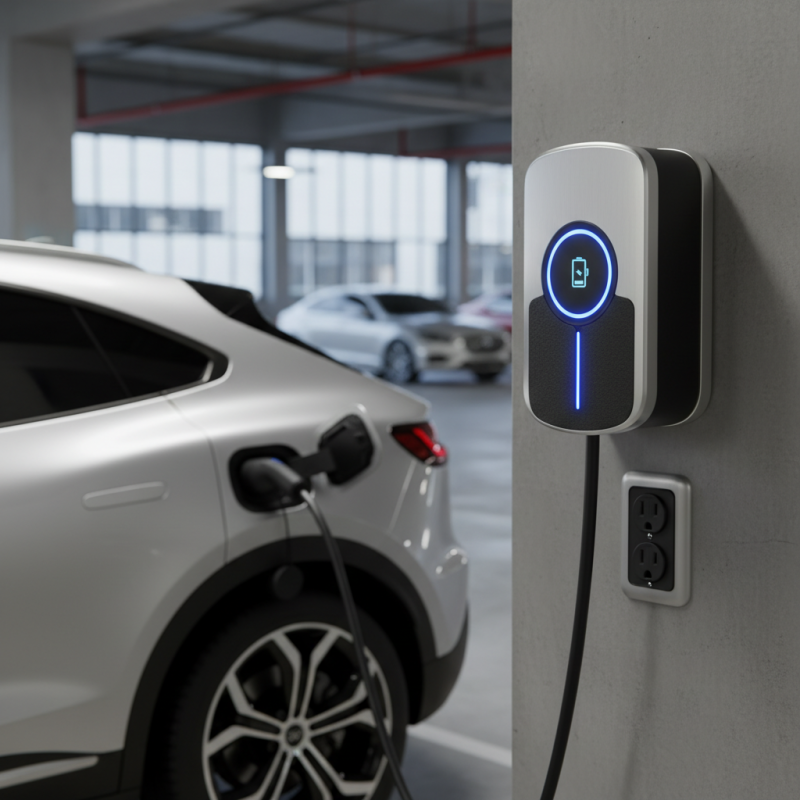
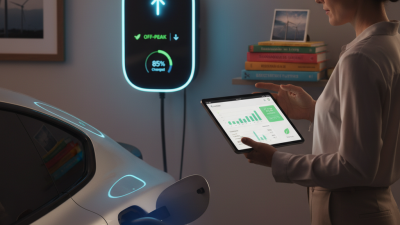
These chargers are commonly used in residential and commercial settings. They are equipped with a charging cable that connects directly to the vehicle. Many models come with user-friendly features, such as LED indicators. These lights provide real-time status updates, making the charging process intuitive. However, installation may require professional assistance, which can lead to additional costs.
While Level 2 chargers offer efficiency, they are not without challenges. Some users experience compatibility issues with certain EV models. Others find that finding a reliable installer can be daunting. There are also concerns about the infrastructure in varying regions. Ultimately, this type of charger represents a significant advancement in EV technology, but there is room for improvement in terms of accessibility and user experience.
Key Features of Level 2 Chargers Made in China
Level 2 chargersfrom China are known for efficiency and reliability. They are commonly used for electric vehicles. These chargers significantly reduce charging time compared to Level 1 Chargers.
Typically, a Level 2 charger can fully charge a vehicle in a few hours.
Key features include increased power output. Most Level 2 chargers provide 240 volts, allowing faster charging. They often come equipped with smart technology. Many models offer app connectivity for monitoring charging status. Users can schedule charging times through their smartphones, benefiting from off-peak rates.
However, some concerns arise. Compatibility with different vehicle models can vary. Not all vehicles are ready for fast charging. Users must consider installation requirements. Proper setup is crucial to ensure safety and performance. Overall, while they offer several advantages, thoughtful consideration is necessary for optimal use.
How Level 2 Chargers Differ from Standard Chargers
Level 2 chargers are distinct from standard chargers in many ways. They typically provide 240 volts of electricity, while standard chargers deliver only 120 volts. This significant difference results in faster charging times, making Level 2 Ev Chargers more efficient for electric vehicle owners. According to industry reports, Level 2 chargers can replenish up to 25 miles of range per hour, compared to about 4 miles per hour for standard chargers.
The installation of a Level 2 EV charger requires a dedicated circuit. This can lead to higher installation costs, which is a point of consideration for potential users. However, many users find the rapid charging capability worth the investment. Some studies show that EV owners are more satisfied with their charging experience when using Level 2 chargers, highlighting their reliability and efficiency.
Despite these advantages, not all situations warrant a Level 2 EV charger. Urban areas may lack sufficient electrical infrastructure. Additionally, the upfront cost can deter some customers. In essence, while Level 2 chargers offer quick and effective charging, one must weigh the benefits against practical challenges.
What is a China Wholesale Level 2 Charger and How Does It Work? - How Level 2 Chargers Differ from Standard Chargers
| Feature | Level 1 Charger | Level 2 Charger |
| Charging Speed | 5-6 miles per hour | 25-30 miles per hour |
| Voltage | 120V | 240V |
| Typical Charging Time | 8-12 hours | 3-5 hours |
| Installation Requirements | Standard home outlet | Dedicated 240V circuit |
| Cost | $300 - $600 | $500 - $1,500 |
| Usage | Home charging | Home, commercial, and public charging |
Understanding Charging Speeds and Efficiency of Level 2 Chargers
Level 2 chargers are becoming essential for electric vehicles. Understanding their charging speeds is crucial. These chargers provide a faster energy supply compared to standard outlets. Typically, a Level 2 charger can deliver between 3 kW and 22 kW, depending on the model. This means a quicker charge, reducing downtime for drivers. Many users notice a significant difference in charging times.
Efficiency plays a vital role in the effectiveness of the Evse Level 2 Charger. Efficiency refers to how much energy is wasted during the charging process. Some chargers are more efficient than others. They may lose less power as heat, which is beneficial for both the environment and costs. It’s essential to consider this factor when choosing a charger. However, not all Level 2 chargers are created equal. Users should research options and determine which one best meets their needs.
Unfortunately, many consumers overlook the installation requirements of these chargers. Installing a Level 2 charger often involves costly upgrades to electrical systems. This might lead to frustration for those eager to charge. It’s crucial to weigh the benefits and costs. Understanding how these chargers work and their efficiency can lead to better decisions. Proper knowledge can enhance the overall experience of owning an electric vehicle.
Charging Speeds of Level 2 Chargers
Components and Design of a Typical China Wholesale Level 2 Charger
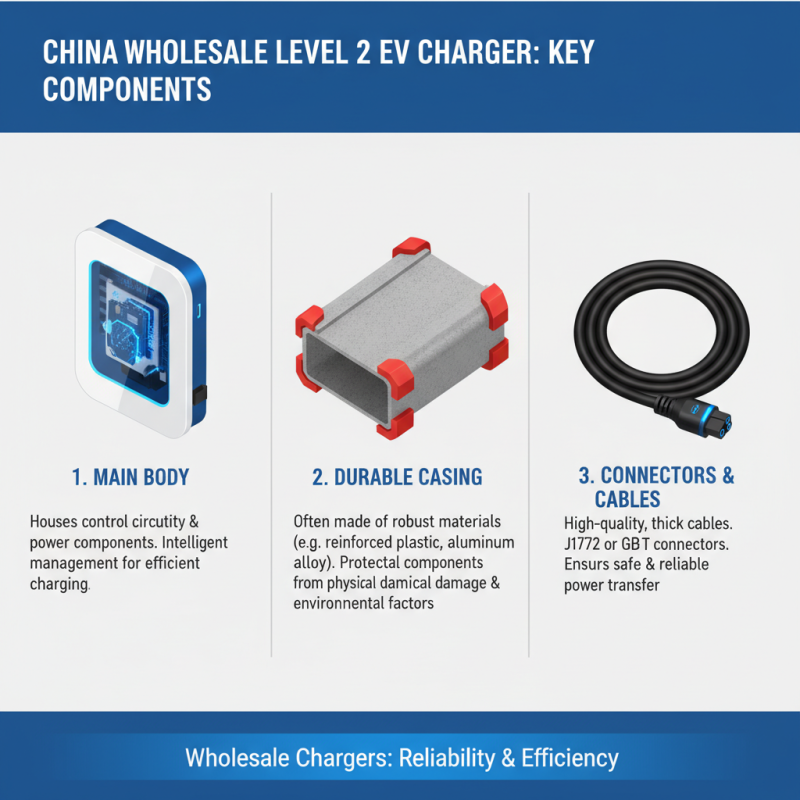
A typical China wholesale Level 2 charger is designed using several essential components. First, the main body houses the control circuitry and power components. This section ensures efficient charging through intelligent management. The casing is often made of durable materials, which helps protect the internals.
Next is the charging cable, an essential part of the charger. It connects the power source to the electric vehicle. Typically, the cable is robust and weatherproof. It can withstand various environmental conditions. The connector at the end is standardized, allowing compatibility with many vehicles.
Moreover, the user interface is sometimes overlooked. It can include simple LED indicators showing charging status. However, not all models provide clear feedback. This is a design flaw that can lead to confusion for users. A clear interface would enhance user experience. Understanding these components can help users make informed choices when selecting a Level 2 Electric Vehicle Charger.
Installation Requirements for Level 2 Chargers in Various Settings
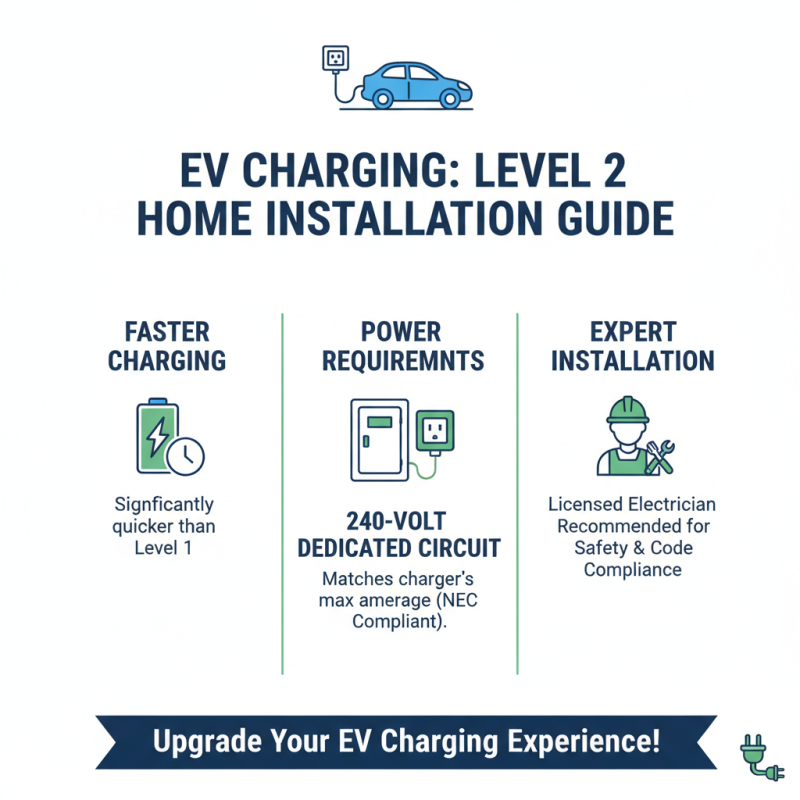
Level 2 chargers are gaining popularity for electric vehicles. They provide faster charging compared to Level 1 options. However, installation requirements can vary significantly across different settings. For residential installations, a dedicated 240-volt circuit is essential. The National Electric Code (NEC) specifies that the circuit must accommodate the charger's maximum amperage. Many homeowners find that hiring a licensed electrician ensures compliance and safety.
In commercial settings, regulations can be more complex. According to the Electric Vehicle Infrastructure Deployment report, businesses often need to consider the necessary load capacity of their electrical systems. Some may require infrastructure upgrades to support multiple chargers. Local zoning laws often dictate the placement of these chargers. Space requirements should provide clear access for users and comply with accessibility standards.
Installation in public areas faces its own challenges. The minimal distance from sidewalks and driveways must be maintained. The Environmental Protection Agency (EPA) notes that well-placed chargers can reduce range anxiety among EV users. Yet, site assessments often reveal that adequate space is not always available. This results in less effective installations that do not meet the growing demand for charging solutions. Addressing these logistical issues remains crucial for widespread adoption.
Applications and Benefits of Using Level 2 Chargers
Level 2 chargers are transforming the electric vehicle (EV) landscape. They are efficient and faster compared to Level 1 chargers. Level 2 chargers can deliver power between 3.7 kW to 22 kW. This means shorter charging times, often just a few hours for a full charge. In urban areas, their importance is growing rapidly.
Cities are increasingly adopting Level 2 chargers in public spaces. According to the International Energy Agency, the use of Level 2 chargers in the U.S. has increased by over 20% in the last year alone. Many residential areas are installing them as well. The convenience of home charging attracts more users. However, infrastructure still faces challenges. Not all neighborhoods have access to these chargers. This can hinder EV adoption rates.
In contrast, Level 3 Ev Chargers are much quicker. They can provide a full charge in under an hour. However, their installation costs are prohibitive for many. Balancing cost and efficiency is essential. It seems that Level 2 chargers will remain popular for the foreseeable future, helping bridge the gap until more rapid charging options become widely available.
Comprehensive Guide to OEM ODM Electric Car Wall-mounted Chargers: 7kW, 22kW Options with Smart Features
When it comes to electric vehicle (EV) charging solutions, wall-mounted chargers have become increasingly popular due to their convenience and space-saving design. In this comprehensive guide, we focus on the essential features of OEM and ODM electric car wall-mounted chargers, specifically emphasizing the 7kW and 22kW options. These chargers not only cater to different charging needs but also come equipped with smart features that enhance the user experience.
The 7kW charger is ideal for residential applications, providing efficient charging overnight or during off-peak hours. Its compact design makes it perfect for smaller garages or parking spaces. Additionally, many models come with smart capabilities that allow users to monitor their charging status through a mobile app, schedule charging sessions, and receive notifications. This level of control ensures that users can optimize their energy consumption and reduce costs.
On the other hand, the 22kW charger is designed for faster charging, making it suitable for commercial applications or public charging stations. This high-power option drastically reduces the charging time, allowing users to get back on the road quickly. Smart features like adjustable power output, user access controls, and real-time monitoring enhance its functionality, making it not just a charging solution but also a robust energy management tool. As the demand for electric vehicles grows, investing in these advanced wall-mounted chargers can provide a seamless and efficient charging experience for all types of users.
FAQS
: Identify your interests and passions. Think about your available time. Consider costs and potential learning curves.
Set small, realistic goals. Celebrate your progress. Remind yourself why you started and connect with supportive people.
Practice regularly, even if for short periods. Seek feedback and adjust your approach as necessary. Be patient with yourself.
Prioritize tasks based on urgency. Use tools like calendars or apps. Reflect on what works and what doesn’t.
Take short breaks to reset your mind. Break tasks into smaller steps. Talk about your feelings with someone you trust.
Keep a record of your activities. Regularly review your goals and achievements. Adjust your strategies if you’re not satisfied.
Conclusion
A China Wholesale Level 2 Charger is an advanced electric vehicle charging solution that provides faster charging capabilities compared to standard chargers. These chargers are characterized by their robust design, efficient energy output, and compatibility with various electric vehicles, making them essential for both commercial and residential applications.
Level 2 Chargers operate at 240 volts, significantly reducing charging time and enhancing user convenience. The article discusses the key features of these chargers, including their improved charging speed and efficiency, as well as the essential components and design elements that contribute to their functionality. Additionally, it outlines installation requirements across different settings, emphasizing the practical benefits of incorporating Level 2 Chargers into everyday use, such as increased accessibility and support for the growing EV market.





 Phone
 Send Email
 whatsapp
 Facebook
 Youtube