As the electric vehicle scene keeps growing, picking the right charger for your EV is more important than ever. Looking ahead to 2026, tech is expected to take a big leap forward—think faster and more efficient chargers becoming the norm. Companies like Tesla and ChargePoint are really stepping up with new and innovative solutions tailored to all kinds of needs.
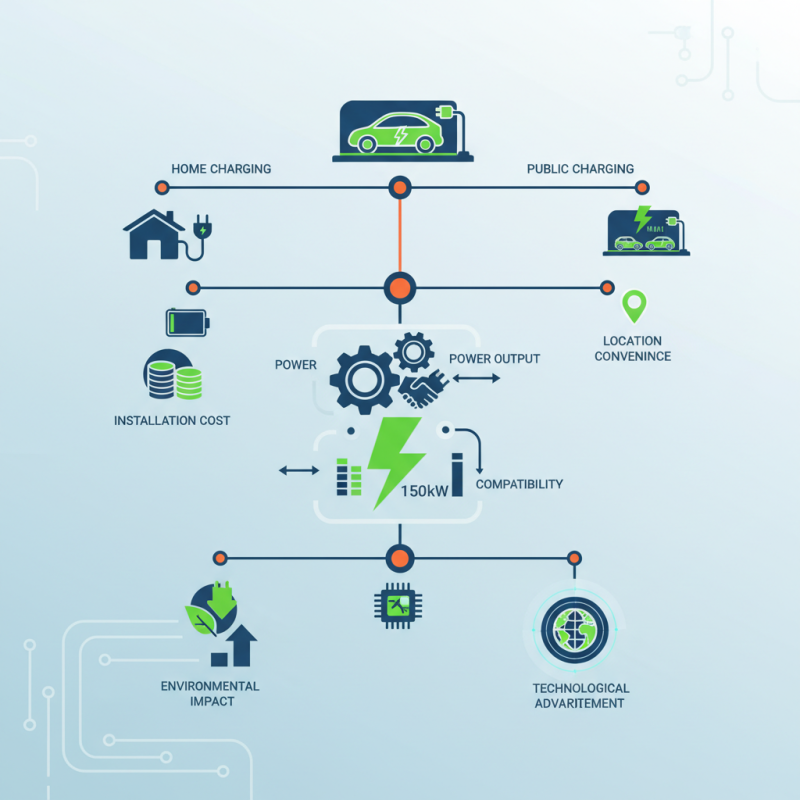
When you're choosing a charger, it's a good idea to think about how much power itputs out and whether it’s compatible with your car. For instance, a 150kw Fast DC charger—like this one here—can seriously cut down your charging time. A lot of folks forget to consider how much the installation might cost or how handy the location is—those little details matter. Having a charger at home can be super convenient, but don’t forget about the public stations—they’re just as important.
Looking into the future, it’s almost overwhelming how many options there’ll be. And honestly, it’s worth thinking about the bigger picture—like the environmental impact and how these tech changes fit into our energy goals. Are we making smart choices that support sustainability? The charger you pick shouldn’t just suit your immediate needs, but also help move us toward more eco-friendly energy use in the long run.
Best Chargers for EV Cars in 2026: Key Features to Evaluate
When choosing the best chargers for EV cars in 2026, several key features must be evaluated. Charging speed is crucial. A charger that offers fast charging can significantly reduce downtime. Look for power output ratings that match your vehicle's capabilities. Compatibility is also important. Chargers should work with various EV models, ensuring you do not face issues later.
In addition to speed and compatibility, consider ease of installation. Some units require professional setup, which can add to costs. Wireless options are emerging but may still be unrefined and unreliable. Safety features are vital too. Look for chargers equipped with automatic shut-off and surge protection. It is also wise to think about future-proofing. As technology evolves, chargers that can be upgraded or adjusted will offer longer-term value.
The design matters as well. A compact charger can save space, but durability should not be sacrificed. Many consumers report issues with outdoor chargers; weatherproofing is essential. Finally, customer support can influence your experience. Many forget to evaluate this until they need help. Selecting the right charger demands careful thought and an understanding of individual needs.
Best Chargers for EV Cars in 2026: Key Features to Evaluate
| Feature | Importance | Charging Speed (kW) | Connector Types | Smart Features |
| Level 2 Charging | Essential for home use | 7.7 - 19.2 kW | J1772 | Wi-Fi and App Control |
| DC Fast Charging | Critical for long trips | 50-350 kW | CCS, CHAdeMO | Payment Integration |
|
Portable Chargers | Convenience on the go | 3.7 - 7.2 kW | J1772 | Lightweight and Compact |
| Smart Home Integration | Efficiency and Control | Varied | J1772/CCS | Voice Assistant Compatibility |
| Solar Charging Capability | Eco-friendly option | Varied | J1772 | Grid Management Features |
Types of Charging Stations: Level 1, Level 2, and DC Fast Chargers
When considering the best chargers for EV cars in 2026, understanding the types of charging stations is crucial. There are three primary categories: Level 1, Level 2, and DC Fast Chargers. Level 1 chargers use a standard household outlet and provide around 1.4 kW. This method is slow, suitable for overnight charging. For many users, it takes several hours to achieve a full charge.
On the other hand, Level 2 chargers deliver between 3.3 kW to 22 kW. They are commonly found at public charging stations and offer a much faster charging experience. According to a report by the International Energy Agency, Level 2 stations can charge an EV in 4 to 8 hours. Additionally, DC Fast Chargers provide rapid charging, able to charge an EV to 80% in about 30 minutes. This technology is critical as EV adoption rises, with over 26 million EVs expected on the road by 2030.
When choosing a charger, consider capacity and speed. For example, the 7kw EV Charging Station Universal Model for Byd Song Yuan Plus PRO Electric Car Charger 7kw Portable Electric Car Charger for Byd Han Tang offers versatility. However, not everyone may have access to fast charging options. Urban areas may have abundant options, but rural areas often lack infrastructure. Balancing charging speed and availability is a challenge that needs addressing in future developments.
Charging Speed: Understanding Kilowatts and Charging Time
Charging an electric vehicle (EV) efficiently is crucial. It impacts your daily routine and travel plans. Understanding charging speed is essential. This speed is measured in kilowatts (kW). More kilowatts mean faster charging. However, not all vehicles support high-speed charging. You need to check your EV specifications.
Charging time varies widely. A typical home outlet delivers about 2-3 kW. This means longer wait times, particularly if your battery is large. Fast chargers can deliver 50 kW or even more. This can bring your car to 80% charge in under an hour. However, the exact time will vary based on battery size and state of charge.
Consider infrastructure when choosing a charger. Not all locations offer high-speed options. You may find a fast charger down the road. Still, it might be too busy or out of service. Planning ahead can save you time and frustration. Remember that charging speed isn’t the only factor. Efficiency, convenience, and compatibility matter too. It’s a complex decision that requires careful thought.
Compatibility: Ensuring Chargers Meet Market Standards
When considering chargers for electric vehicles (EVs) in 2026, compatibility is a key aspect. As the EV market grows, standardization becomes crucial. A report from the International Energy Agency (IEA) emphasizes that about 80% of EV chargers will need to meet established market standards. This trend is driven by the increasing demand for interoperability among various EV models and charging stations.
It's essential to recognize that not all chargers will be suitable for every vehicle. The SAE J1772 standard, commonly used in North America, specifies connector types and safety protocols. However, some chargers may not comply with this standard. Users have reported frustrations when their vehicles face compatibility issues. Some industry analysts predict that by 2026, at least 25% of chargers may lack basic compliance.
Charger networks are rapidly evolving. While some cities push for universal access, a significant number of existing chargers are still outdated. Data shows that nearly 35% of public charging stations do not accommodate newer EV models. This raises concerns for consumers about future-proofing their infrastructure investments. Continued investment in compliant technology and awareness is necessary to support the growing electric vehicle ecosystem.
Smart Charging Features: Integration with Home Energy Systems
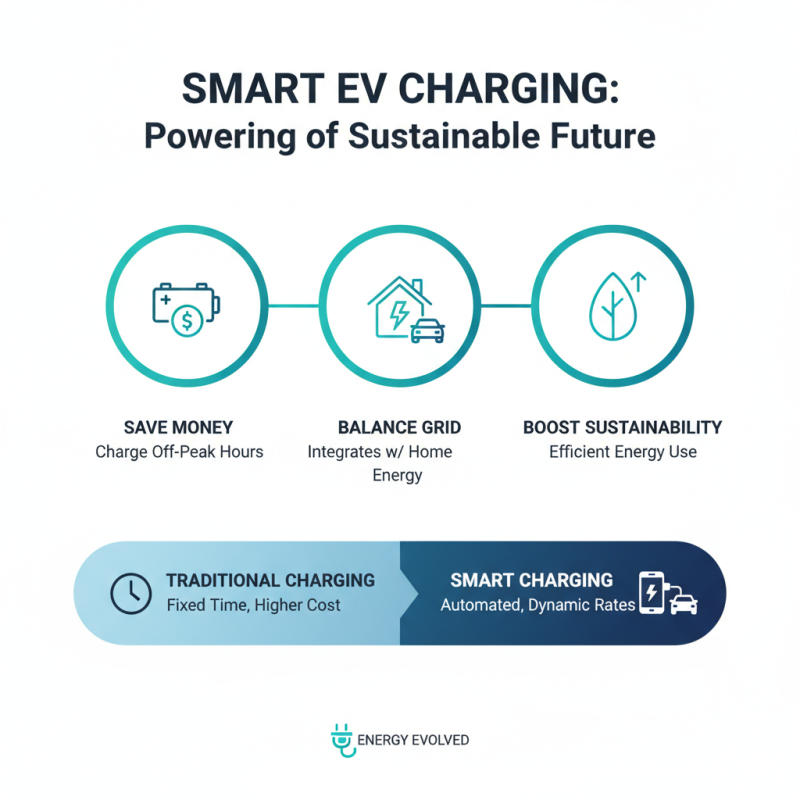
Smart charging features are reshaping how we power our electric vehicles. These advancements allow for seamless integration with home energy systems. Imagine charging your car during off-peak hours when electricity rates drop. This not only saves money but also balances energy demands. Such features are increasingly important as we strive for sustainable living.
Many chargers now have smart capabilities. They can communicate with your home energy management system. This means they can respond to real-time energy prices. You can easily set your charging to align with renewable energy availability. A Portable Car Charger For Electric Car provides convenience and flexibility. However, it's crucial to choose the right model that supports these smart features.
Consider the compatibility of the charger with your home energy system. Check the power output and charging speed, too. Some chargers may not offer the speed you need. Think about the future. Will this charger still work with upgrades in technology? Reflect on your current and future energy needs. This thoughtfulness will lead to wiser choices as the EV landscape evolves. Always do thorough research. Your charging solution should not just meet your needs today, but also adapt to tomorrow's demands.
Rural vs Urban Considerations: Where and How to Charge Your EV
Charging an electric vehicle (EV) in urban areas often means accessing a robust network of charging stations. Cities provide various charging options. Many parking garages, shopping centers, and public spaces have installed chargers. However, finding an available spot can be a challenge, especially during peak hours. The convenience of charging often clashes with the unpredictability of availability. Charging times can vary significantly, and this can impact daily routines.
Rural areas present different challenges. Chargers are fewer and farther between, making planning essential. EV users in these locations must consider charging station maps and availability. Relying on a Car Charger For Electric Cars often means identifying local resources. Home charging becomes crucial in rural regions, enabling EV owners to charge overnight. Still, the upfront costs can be a barrier. Installing a home charger requires a financial commitment that not everyone is ready to make.
Traveling through rural landscapes without adequate charging infrastructure raises concerns. It’s essential to plan trips along routes with known charging stations. This planning often highlights the need for improvements in rural charging options. As the EV market expands, these gaps should be addressed. Charging should not feel like a race against time. Both urban and rural drivers deserve seamless access to reliable energy for their vehicles.
Best Chargers for EV Cars in 2026: Urban vs Rural Charging Options
Cost Analysis: Evaluating Price vs. Performance in EV Chargers
As the electric vehicle market grows, consumers face challenges in choosing efficient EV chargers. Cost is often a primary concern. Buyers must evaluate not only the price of chargers but also their performance. Cheaper options may save money upfront but could lead to higher long-term costs. For instance, a low-cost charger may charge slowly, leading to inconvenience. On the other hand, investing in a high-performance charger might cut charging times significantly, redeeming the initial cost.
When considering chargers, it’s crucial to analyze specific needs. A China Portable Car Charger For Electric Car may offer convenience for those who travel frequently. An affordable charger appears enticing, yet its charging speed and reliability might not meet user expectations. Some chargers may have hidden costs, such as installation fees or compatibility issues. It's essential to research how various models perform in real-world conditions.
Evaluating the price versus performance of EV chargers may feel daunting. Users need to read reviews, compare specifications, and consider personal charging habits. Balancing cost and performance is key. While it’s tempting to go for the cheapest option, reflecting on long-term usability will lead to smarter choices.
Emerging Trends in EV Charging Infrastructure: Insights from Recent Market Reports on 22kW Wall-mounted Charging Stations
The evolution of electric vehicle (EV) charging infrastructure is rapidly transforming the automotive landscape, particularly with the rise of 22kW wall-mounted charging stations. Recent market reports highlight a significant shift toward higher power charging options to accommodate the growing demand for electric vehicles. With the global EV market projected to reach approximately 26 million units by 2030, the need for robust charging solutions is more critical than ever.
Market analysts indicate that wall-mounted charging stations are becoming increasingly popular in both commercial and residential settings. These stations not only provide convenience for EV owners but also meet the rising demand for faster charging capabilities. For instance, a report estimates that 22kW charging stations can reduce charging time by more than 50% compared to standard 7kW units, making them an attractive option for businesses and fleet operators looking to maximize uptime and efficiency.
Furthermore, the integration of smart technologies within these wall-mounted systems is also notable. Many modern stations feature connectivity options that allow users to monitor energy consumption and manage charging schedules, contributing to an efficient energy use framework. It is projected that the deployment of smart charging stations will grow by over 30% annually, reflecting a broader trend toward sustainable transportation options and energy management solutions within the charging infrastructure sector. As the market continues to evolve, the emphasis on sophisticated, user-friendly charging solutions will remain a focal point for stakeholders across the industry.
FAQS
: Symptoms include restlessness, fatigue, and trouble concentrating. Physical signs may include rapid heartbeat and muscle tension.
Techniques like deep breathing and regular exercise can help. Maintaining a healthy diet is also beneficial.
Yes, feeling anxious is normal. Everyone experiences anxiety at different points in life, especially during stressful times.
If anxiety interferes with daily life, consider seeking professional help. Persistent symptoms that don't improve require attention.
Chronic anxiety may contribute to health issues. It can affect sleep, digestion, and increase the risk of heart problems.
Some people find herbal supplements helpful. Mindfulness practices, like meditation, can also promote relaxation and reduce anxiety.
Medication can be effective for some but isn’t always needed. Therapy and lifestyle changes may suffice for others.
Poor sleep can exacerbate anxiety symptoms. Quality sleep is crucial for emotional regulation and overall mental health.
Some individuals manage anxiety independently through self-help methods. Others may find additional support beneficial. Reflection is key.
Yes, talking to friends or family can provide comfort. Sharing experiences can reduce feelings of isolation related to anxiety.
Conclusion
As electric vehicles (EVs) continue to grow in popularity, selecting the best charger for EV cars in 2026 requires careful consideration of several key features. Evaluating the types of charging stations—Level 1, Level 2, and DC Fast Chargers—is essential as each offers different charging speeds and capabilities. Understanding kilowatts and charging time will also help determine efficiency, while ensuring compatibility with existing market standards is crucial for seamless integration.
Additionally, smart charging features that allow integration with home energy systems can enhance user experience and efficiency. Consideration of charging locations, whether rural or urban, is important for convenience, and conducting a cost analysis will aid in balancing price against performance. Ultimately, choosing the right charger for EV cars involves a comprehensive assessment of these factors to ensure optimal charging solutions for various driving needs.



 Phone
 Send Email
 whatsapp
 Facebook
 Youtube